
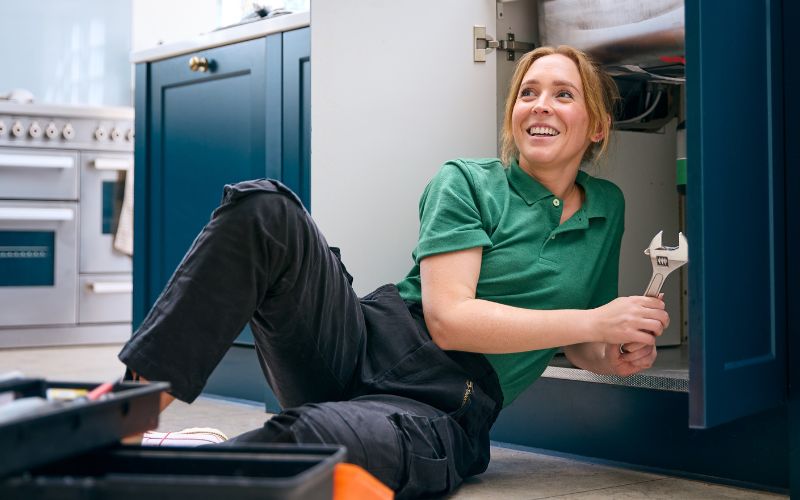
Plumbing problems are always lurking. They can frustrate and even cause havoc on a massive scale in your building. A burst pipe, a leaking drain, or even a leaky faucet is a problem that needs to learn how to repair. On this blog, we will be sharing emergency plumbing advice that can prove helpful when something goes awry. These simple tips will save you money, time, and plenty of headaches.
Why Learning Emergency Plumbing Tips Is So Important
Plumbing pipes burst when you least expect them. They do not always provide you with a warning sign. When the toilet clogs or the pipe bursts, it is frustrating. But being prepared will help you rectify the situation before things get out of hand. The faster you act, the less damage you will have to endure.
In this blog, some of the emergency plumbing tips that each homeowner should be familiar with are going to be mentioned. With the assistance of these tips, you can tackle the plumbing problems until a professional gets to your location.
-
Turn Off the Water Supply
The first thing you need to do when you realize there is a plumbing problem is to turn off the water. That leaky faucet or burst pipe will stop the water from entering your home.
How to Turn Off Your Water Supply
There is a master water valve in each home. It regulates the amount of water entering your home. You should be familiar with it. The master water valve is usually:
In the Basement: Most homes put the valve near the water meter in the basement.
In the Crawl Space: If your home does not have a basement, the valve could be in the crawl space.
Outside: In a few homes, the valve is outside near the sidewalk or property line.
Once you have found the valve, turn it to the right to shut off the water. This will close off the water and prevent further damage.
-
Shut Off Your Water Heater
If there is a real plumbing emergency, it is also a good idea to turn off your water heater. This can prevent damage to the heater or overheating.
How to Turn Off Your Water Heater
Electric Water Heaters: Locate the wall switch closest to the heater and switch it off.
Gas Water Heaters: Locate the gas valve closest to the heater and switch it off by turning it clockwise.
Shutting off your water heater saves power and keeps the heater from drying out, which will render the heater useless.
-
Plunge for Small Clogs
Stoppage of toilets, stoppage of sinks, and clog of the shower are unavoidable. They are maddening, but sometimes you can even fix them yourself with a plunger.
How to Use a Plunger
A plunger uses force to push the clog through the pipe. The following is how you use a plunger:
Place the Plunger on the Drain: Place the rubber side of the Plunger on the drain.
Create a Seal: Press the Plunger down hard to create a seal around the drain.
Pump the Plunger: Press the Plunger down and then bring it back up a few times. You should experience resistance, which shows that the Plunger is working.
Flush the Drain: Let a small amount of water pass through after you have tried a few times to determine whether the clog has passed. If water flows freely, the clog is cleared.
If the clog is unremovable, it can also be deeper in the pipes. You might have to have a plumber’s help.
-
Prepare for an Over-flowing Toilet
The overflows of toilets will create a huge mess. If the toilet overflows, you need to act immediately so that the water does not spread.
Steps to Handle an Overflowing Toilet
Turn Off the Water Supply: Most toilets have a shut-off valve at the bottom of the toilet tank. Please turn off the water supply by closing the shut-off valve by turning it in the clockwise direction.
Empty the Room: Take out all the items in the room that will become wet, including towels or rugs.
Use a Plunger: If the toilet is clogged, use a Plunger to fix it. If water continues to rise, the clog is deeper.
Call a Plumber: Call a plumber if the Plunger fails to fix the issue and the toilet keeps overflowing.
-
Fix Small Leaks Temporarily
There are small leaks on pipes, faucets, and appliances. You will have a plumber fix them, but meanwhile, you can fix small leaks temporarily so that they won’t become any bigger.
How to Fix Small Leaks Temporarily
Turn Off the Water: Once you have identified that there is a leak, turn off the water supply to ensure that the leak will not increase.
Apply Tape or Sealant: Apply waterproof tape or use a temporary sealant to cover and prevent water from flowing over in the event of small leaks.
Place a Bucket Under the Leak: For severe cases of leaks, place a bucket or container under it to trap the water. This will help save your furniture and floors from being destroyed by water.
These are temporary solutions. Make sure you have someone, such as a plumber, do it professionally.
-
Don’t Pour Chemicals Down the Drain
You can attempt to use chemicals to unclog a clogged drain. This harms your pipes and could be the source of future problems.
Aside from chemicals, use a plumber’s snake or plunge your drain. If the clog will not be removed, call a plumber.
-
Use a Plumbing Snake for Deep Clogs
In case a plunger fails, you might be required to use a plumbing snake. A plumbing snake is one of the devices that can travel deeper down pipes and break up tough clogs.
Directions for Plumbing Snake
Feed the Snake: Insert the snake slowly down the drain.
Turn the Handle: Rotate the handle to advance the snake deeper down the pipe.
Remove the Clog: Pull out the snake slowly as it removes the clog.
Clear the Drain: Flush the water after clearing the clog to see if the drain is working as it should.
If you are not confident about using a plumbing snake, call a plumber.
-
Call a Professional Plumber
Sometimes, the best way to fix a plumbing problem is to call a professional plumber. Small problems you can fix yourself, but bigger or trickier issues need an expert. Plumbers have the right tools and skills to fix problems quickly and properly.
When to Call a Plumber
Large Leaks: If a big leak or flood has been encountered, call a plumber immediately.
Big Clogs: If a plunger and snake don’t get it done, a plumber does.
Water Heater Issues: A plumber can fix your water heater if it’s leaking or is in pieces.
Broken Pipes: Broken pipes have the potential to be extremely damaging. A plumber will fix them and prevent them from causing further issues.
Conclusion
Plumbing problems would occur at the worst possible times. If you know some quick plumbing fixes, you can stop the problem before it gets worse. This could be turning off the water, using a plunger, or calling a plumber. Being ready saves time, money, and worry. Remain calm, act quickly, and call for help when necessary.
FAQs On Emergency Plumbing Tips
-
What if my toilet overflows?
Turn off the water supply to the toilet and take out whatever will be in the plumber’s way. Try to flush out the clog with a plunger. If this fails, call a plumber.
-
How do I fix a small leak?
If you see a small leak, you can turn off the water, put tape or sealant on it, and place a bucket under it to catch the water. Have a plumber repair the leak for you.
-
Is it okay to use chemical drain cleaners?
No, do not use chemical drain cleaners. They will destroy your pipes. Use a plunger or plumbing snake and call a plumber if needed.
-
When should I call a plumber?
Call a plumber if you experience a large leak, a clog that is difficult to remove, or some other type of emergency plumbing issue. Plumbers have the training and tools to fix such issues safely and effectively.
-
How do I avoid plumbing emergencies?
Check pipes, faucets, and drains for cracks regularly. Avoid attempting to flush large objects down the drain or putting grease down the drain. Prevent grease clogging. Regular plumbing care will ward off serious issues.