
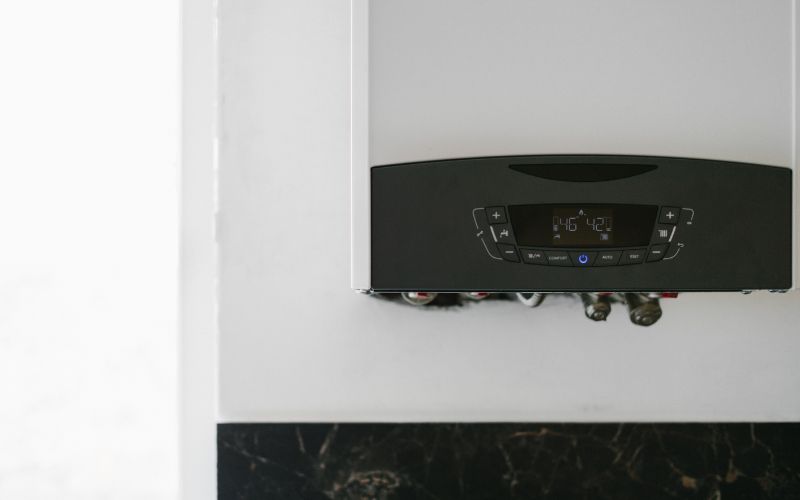
When updating your home heating system, one of the most significant decisions you can make is choosing the type of boiler. A boiler also supplies central heat and hot water, so the right model will keep the house comfortable and efficient and save money in the long run. Especially in East London, where the styles of the property are different, i.e., some are modern apartments, others are older terraced houses, it is of high importance to select a boiler that meets the requirements of your home in terms of size, layout and usage. Understanding the types of boilers and their advantages will help you make an informed decision.
Understanding the Main Boiler Types
Boilers in the UK are divided into three main types: combi boilers, system boilers, and regular (conventional) boilers. There is a difference in how each type operates, and each fits a particular household requirement. It is desirable to understand how each system works and which type of property it supports before deciding which to use.
Combi boilers, also known as combination boilers, provide heating and hot water in one unit without a water tank. System boilers make use of a hot water cylinder but do not require a tank of cold water in the loft. Boilers with regular boilers are powered by a hot water tank and a cold water tank, which can be used with the conventional heating system.
Considering the Size of Your Property
Housing is an important factor in selecting the correct boiler. Combi boilers can be used in smaller flats or one-bedroom apartments in East London, as they are compact and do not require additional storage. They also heat water on demand, thus saving power in small families.
Big houses with more than one bathroom might need to have a system or a frequent boiler. Choosing the right boiler for your property size ensures it works effectively and is not overloaded.
Evaluating Your Hot Water Demand
Another important factor is the amount of hot water that you use each day. A combi boiler is usually adequate for living alone or for a single person. It heats water immediately, eliminating the need for a storage tank. Nonetheless, if showers, baths, and taps are shared among several family members, a system boiler might be more appropriate.
System boilers heat water in a cylinder, with numerous outlets that can be operated simultaneously.
Checking Water Pressure
Water pressure is also a factor to consider when choosing a boiler type. Combi boilers use high-pressure mains water to provide hot water on demand. A combi boiler might not work effectively in houses with low water pressure. A system, with or without a storage tank, can be a more reliable performer in such instances than a regular boiler.
You should always ensure that a professional installer checks your water pressure before deciding on the type of boiler. This will ensure the selected system operates efficiently without unforeseen issues.
Space Availability in Your Home
The East London property is usually short of space, especially in the flats and smaller terraced houses. Combi boilers are also very small and can be fitted in kitchen cupboards or even in small utility rooms. They do not require extra tanks and are best suited for homes with limited storage space.
System and regular boilers require a larger area because they need hot water cylinders and, in some cases, cold water tanks. These systems can still be good even when they occupy more space, provided one has enough space and additional water consumption is not a concern.
Energy Efficiency and Running Costs
Contemporary boilers are highly efficient in terms of energy consumption. The majority of the new designs are condensing boilers, meaning they recover heat that would otherwise be wasted. This helps reduce energy costs and carbon emissions.
The first thing to check when selecting a boiler is high energy efficiency ratings. A more efficient boiler can be a little more expensive to buy, but in the long term, it will be more economical. In East London, energy costs can be considerable, so installing an efficient system can result in a noticeable change in your monthly bill.
Compatibility with Existing Heating System
When replacing an old boiler, it can be more convenient and less expensive to choose a similar model. For example, a home already equipped with a regular boiler system and tanks can require fewer pipework changes by switching to a different regular or system boiler.
But when you are redoing or improving your premises, you may consider trying a different type of boiler that better meets your current requirements. The existing system can be evaluated by a professional heating engineer, who will advise you on the most appropriate option.
Future Household Needs
When choosing a boiler, consider the future. You might also require a system with greater capacity if you wish to expand your home, add an extra bath, or increase the number of occupants. Selecting a boiler that addresses current and future needs would prevent another replacement in several years.
Professional Advice and Installation
Selecting the appropriate boiler can be overwhelming, and professional advice can make the task less cumbersome. To determine the size of your property, water pressure, heating needs, and budget, a Gas Safe-registered engineer will visit. They can advise on the most appropriate type of boiler and on safe, proper installation.
Conclusion
The type of boiler you want to install in East London must be carefully determined by the size of your property, the amount of water you need, available space, and budget. Combi boilers are suitable for small houses with very little space, whereas system and regular boilers are suitable for large houses with high hot water demand. With professional guidance and the right boiler, you can achieve reliable home heating, reduce costs, and ensure consistent comfort over the long term.
Frequently Asked Questions
What type of boiler should be used in a small flat?
A combi boiler tends to be the most appropriate for small flats as it is not bulky and does not need a storage tank.
Is it possible to use a combi boiler to serve more than one bathroom?
Multipurpose boilers may not be able to operate several outlets simultaneously. A more efficient boiler is the system boiler, which is better suited to larger houses with higher water demand.
What is the life span of a new boiler?
The life of a modern boiler is between 10 and 15 years or more with adequate maintenance.
Can one afford to switch a regular boiler to a combi?
It can be more expensive due to the possibility of having to remove or re-arrange the pipework and tanks, yet it can be more economical in terms of space and efficiency.
Should I have a professional assist in selecting the appropriate boiler?
Yes, a Gas Safe-registered engineer will be able to visit your home and advise on the type of boiler that best suits your needs, ensuring it operates safely and efficiently.