
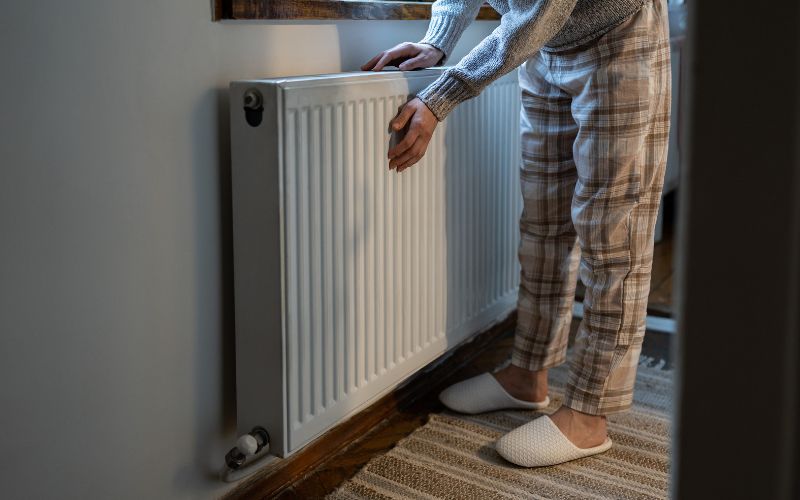
When winter arrives, there’s nothing quite like the warmth of a well-heated home. Radiators play a crucial role in keeping your home warm and comfortable. However, if your radiators aren’t working as they should, your heating system might not be as efficient. One of the key steps in keeping your radiators in top condition is bleeding your radiators regularly. In this blog, we will explain what bleeding your radiators means, why it’s important, and how to do it properly.
What Does “Bleeding Your Radiators” Mean?
Bleeding your radiators means releasing trapped air from the radiator. When air gets trapped in the radiator, it can prevent hot water from circulating properly. This leads to cold spots and less efficient heating. Bleeding your radiators is a simple process where you release the air from inside the radiator, allowing the hot water to fill it completely.
Why Should You Bleed Your Radiators?
You may be wondering, “Why do I need to bleed my radiators?” The reason is simple: trapped air can stop your radiators from heating properly. Here’s why this happens:
1. Air Can Get Trapped in Radiators
As your heating system works, air can slowly build up in the radiators. This is especially common when you first turn on the heating after a long period of not using it. The air bubbles in the system can prevent the hot water from flowing evenly through the radiator, causing cold spots.
2. It Reduces Heating Efficiency
If air is trapped in the radiator, it makes it harder for the hot water to flow freely. This leads to less efficient heating. Your heating system will have to work harder, using more energy to try to heat your home. This can lead to higher energy bills and more wear on your system.
3. Cold Spots Appear in Your Home
A radiator that isn’t properly bled will have cold areas, even though the system is turned on. This happens because the air is blocking the hot water from fully circulating throughout the radiator. Bleeding your radiator ensures that heat can be evenly distributed throughout the radiator and your room.
4. Helps Save Money on Energy Bills
When radiators are not working efficiently, they can cause your heating system to work harder. This results in higher energy consumption, leading to higher energy bills. By regularly bleeding your radiators, you can keep your heating system running efficiently, saving money in the long run.
How Often Should You Bleed Your Radiators?
You may be wondering how often you should bleed your radiators. The general rule is that you should do it at least once a year, ideally before the heating season begins. This ensures that any air trapped in the system over the summer months is released before you need to use your radiators for heat. However, if you notice that your radiators have cold spots or are not heating up properly, you may need to bleed them more often.
Signs You Need to Bleed Your Radiators:
Cold spots: If you notice that part of your radiator is cold while the rest is hot, this is a sign that air is trapped inside.
Noise from your radiator: If you hear a bubbling or gurgling noise, this is often a sign of air trapped inside the radiator.
Ineffective heating: If your heating system isn’t warming up the room as quickly or evenly as usual, air could be blocking the radiator.
How to Bleed Your Radiators
Now that you know why bleeding your radiators is important, let’s go over how to do it. Bleeding your radiators is easy and requires only a few simple tools. Here’s a step-by-step guide to help you do it yourself.
What You’ll Need:
Radiator key: This is a special tool used to open the valve on the radiator to release the air.
Towel or cloth: To catch any water that may come out during the process.
Container: A small container or bowl to catch any water that drips from the valve
Step-by-Step Guide to Bleeding Your Radiators:
1. Turn Off the Heating System
First, make sure that your heating system is turned off and the radiators are cool. This is important because hot water under pressure could cause injury, and air might escape more quickly when the system is hot.
2. Find the Bleed Valve
Each radiator has a small valve at the top. This is where you’ ll insert the radiator key to release the air. If you’re not sure where the valve is, it’s usually located at one end of the radiator.
3. Insert the Radiator Key
Once you’ve located the bleed valve, insert the radiator key into the valve. Turn the key slowly to the left (counterclockwise). You should hear a hissing sound as the air escapes.
4. Let the Air Escape
Keep the valve open until the hissing sound stops, and water begins to drip out of the valve. This means that all the air has been released, and hot water is now filling the radiator.
5. Close the Valve
Once water starts to drip steadily, quickly turn the radiator key to the right (clockwise) to close the valve. Be careful not to over-tighten it, as this could damage the valve.
6. Check the Pressure
After bleeding all your radiators, check the pressure on your boiler. Bleeding the radiators can sometimes cause the pressure to drop. If the pressure is low, you may need to top it up using the filling loop on your boiler.
7. Turn the Heating Back On
Finally, turn your heating system back on and check your radiators. They should now be heating evenly and efficiently.
How to Maintain Your Heating System
In addition to bleeding your radiators, there are a few other maintenance tasks that will help keep your heating system running smoothly.
1. Check the Pressure Regularly
Your boiler’s pressure should be between 1 and 1.5 bar when the heating is off. If the pressure drops below this, it can cause problems with your heating system. If this happens, top up the pressure following the instructions in your boiler manual.
2. Keep the Radiators Clean
Dust and dirt can build up on your radiators over time. Use a damp cloth to wipe down the surfaces of the radiator, ensuring that it can heat up properly.
3. Get Your Boiler Serviced
It’s important to have your boiler serviced once a year. A professional will check the system for any issues and make sure everything is running efficiently.
Conclusion
Bleeding your radiators regularly is an easy yet important task that helps keep your home warm, reduces energy costs, and extends the life of your heating system. By releasing trapped air, you can ensure that your radiators are heating efficiently and effectively. Make it a habit to check your radiators at least once a year, especially before the colder months. With proper maintenance, your heating system will keep your home warm and cozy all year round.
Frequently Asked Questions ( FAQs )
1. How often should I bleed my radiators?
You should bleed your radiators at least once a year, ideally before the start of the heating season. If you notice cold spots or hear noises from your radiator, you may need to bleed them more often.
2. What happens if I don’t bleed my radiators?
If you don’t bleed your radiators, trapped air can stop hot water from circulating properly, leading to cold spots. Your heating system will be less efficient, and your energy bills could increase.
3. How do I know if my radiator needs bleeding?
If you notice cold spots on your radiator, or if your radiator is making a gurgling or bubbling sound, it’s a sign that air is trapped inside. This means it’s time to bleed your radiator.
4. Do I need to turn off the heating before bleeding my radiators?
Yes, you should always turn off your heating before bleeding your radiators. This ensures that the system is cool and safe to work on.
5. Can I bleed all my radiators at once?
Yes, you can bleed all your radiators at once. Start with the radiator that is farthest from the boiler, then move to the next nearest radiator, and so on.