
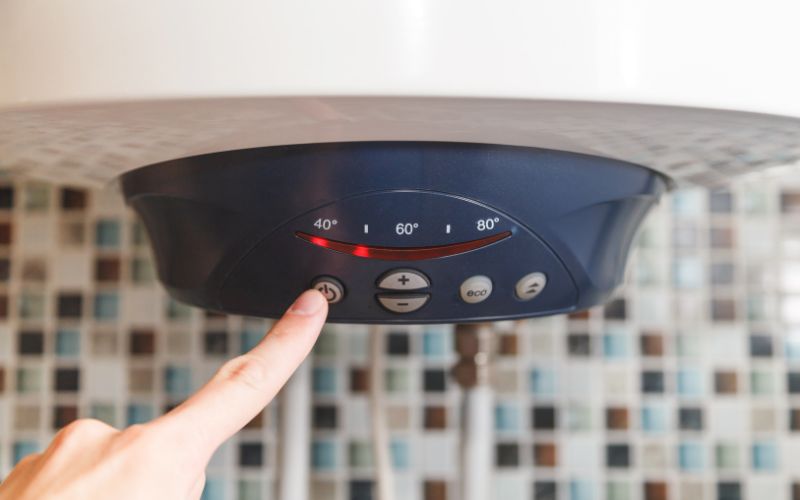
Boilers are indeed very important in warming your house and providing hot water. But one such problem that most homeowners face is boiler pressure problems. If the boiler pressure in your boiler is less than the ideal level, it can cause your boiler to fail or even cause other issues. This blog post will determine what boiler pressure is, why it is not the same everywhere, and how to repair issues easily.
What Is Boiler Pressure?
Boiler pressure is the pressure that pushes water through the hot water system. Under pressure will make your boiler work and will warm up your house properly. Boiler pressure should be 1 to 1.5 bars when the boiler is cold. If the pressure goes up or down, the boiler will not work as required.
Low pressure means radiators are cold and there’s no hot water. High pressure will make the boiler overheat and may even blow your system. So, obtaining the proper pressure actually matters.
Common Boiler Pressure Problems Causes
There are many reasons why your boiler pressure could rise or fall. Some of them are simple to do, but others will require a professional. Some of the most common causes of boiler pressure are listed below:
-
Low Boiler Pressure
Low boiler pressure is very common. The following are some of the reasons for low pressure:
Leaks: Pressure is leaked slowly through a small leak in your system. A small leak impacts your boiler.
Bleeding Radiators: Water and pressure are lost when you bleed radiators to expel air.
Faulty Pressure Relief Valve: The valve regulates pressure. If faulty, the boiler loses
pressure.
Damaged Expansion Vessel: The Expansion vessel is one of the boiler parts that are only designed to keep the pressure level balanced. Pressure would be lost in the event that it gets damaged.
-
High Boiler Pressure
High boiler pressure is extremely uncommon but will occur. High-pressure reasons are:
Full System: Excess water added to the system will result in high pressure.
Faulty Pressure Relief Valve: A Faulty valve will also raise the pressure too high.
Bad Pressure Gauge: In some cases, the pressure gauge is faulty and can give you an inaccurate reading.
Simple Solutions for Boiler Pressure Problems
Boiler pressure faults are very easy to repair. At times, you can repair them yourself. Here are simple steps to repair low and high boiler pressure:
How to Repair Low Boiler Pressure
Check for Leaks
Your initial step would be to check the system for a leak. Leaks of all sizes will lower pressure. Check the boiler or pipes for any sign of water leakage. If you identify a leak, fix it.
Re-Pressurize the Boiler
If the pressure on your boiler is less than 1 bar, you will have to top it up about by filling the system to the water level in order to build pressure. What you have to do is:
Please turn off the boiler and allow it to cool down.
Locate the filling loop, a shiny pipe at the bottom of the boiler facing the direction of the water supply.
Turn the filling loop tap to fill with water.
Check the pressure gauge and turn off at 1.5 bars.
Turn off the tap and take off the filling loop.
Turn on the boiler.
Bleed the Radiators
You may have just bled your radiators, and therefore, you may have lost some water from them and thus lowered the pressure. You would then have to re-pressurize again.
Check the Pressure Relief Valve
If the pressure relief valve leaks water, you may replace the defective valve.
Repair the Expansion Vessel
Your expansion vessel will lose pressure if it leaks. You may have to replace it or take it to a professional for repair.
How to Repair High Boiler Pressure
Search for Overfilling
You will have excess pressure if you overfill with water. Prevent this by taking the following steps:
Find the filling loop, just like you re-pressurized the boiler.
Turn the valve in the direction that a small amount of water will spill out.
Monitor the pressure gauge and turn off at 1.5 bars.
Test the Pressure Relief Valve
A leaking pressure relief valve will result in excess pressure. If you realize that the valve is leaking, you’ll need to have a professional install one.
Check the Pressure Gauge
If the pressure gauge is defective, it will provide you with incorrect readings. If you realize that the gauge is defective, replace it.
Call a Professional
If you can’t manage to repair the high-pressure problem by yourself, the ideal way is to call a heating engineer. They will diagnose your system and ensure everything is okay.
Prevention of Future Boiler Pressure Problems
Once you have already repaired your existing boiler pressure issues, you might even avoid them from occurring in the first place. Listed below are some easy steps to consider:
Inspect pressure on a Regular Basis: Inspect pressure every two months. Restore pressure back to normal right away if pressure drops too low or too high.
Repair Leaks Immediately: Fixes tube or boiler leaks immediately. Leaks will bring about a constant pressure loss.
Don’t Over-pressurise the System: Re-pressurise the system, but not too much. Keep 1.5 bars of pressure and check from time to time.
Annual Boiler Servicing: Get your boiler annually serviced by a heating engineer. He will identify faults beforehand and avoid pressure issues.
Conclusion
Most boiler pressure issues are not rare but are just repaired. Low pressure as a result of a leak or insufficient water, and high pressure due to overfilling or a faulty valve. Pressure testing itself and simply messing around to get the levels to the right will minimize the chance of it causing damage. When you do not have an idea of what to do, then having a professional present who will fix your boiler and get it working is it. Your system is running properly, and heating your home will be ensured by having your boiler pressure.
FAQs
-
How do I check whether my boiler pressure is low or high?
Your boiler pressure when the boiler is cold should be 1 to 1.5 bars. Less than 1 bar, low. More than 2 bars, too high.
-
What can I do if my boiler pressure is too low?
If the pressure is too low, your boiler won’t work and you’ll get cold radiators or no hot water.
-
What can I do if my boiler pressure is too high?
Your boiler will boil over, or the system may be ruined, if it has too much pressure. Too much pressure will also push water out of the system.
-
How frequently should I inspect boiler pressure?
Test your boiler pressure once a month. If pressure is too high or too low, get it fixed as soon as possible.
-
Can I fix boiler pressure myself?
Low-pressure issues can normally be repaired by re-pressurizing the system or bleeding. But for high pressure or leakage, a professional would be required to repair it.